I'm drawn to how things work as much as how they look.
Exploring biomechanical, robotics, and electronics engineering.
The two sketches below are unfinished, working ideas rather than polished designs — but they show a pattern I keep coming back to: I set myself an open-ended problem, then work it through piece by piece.
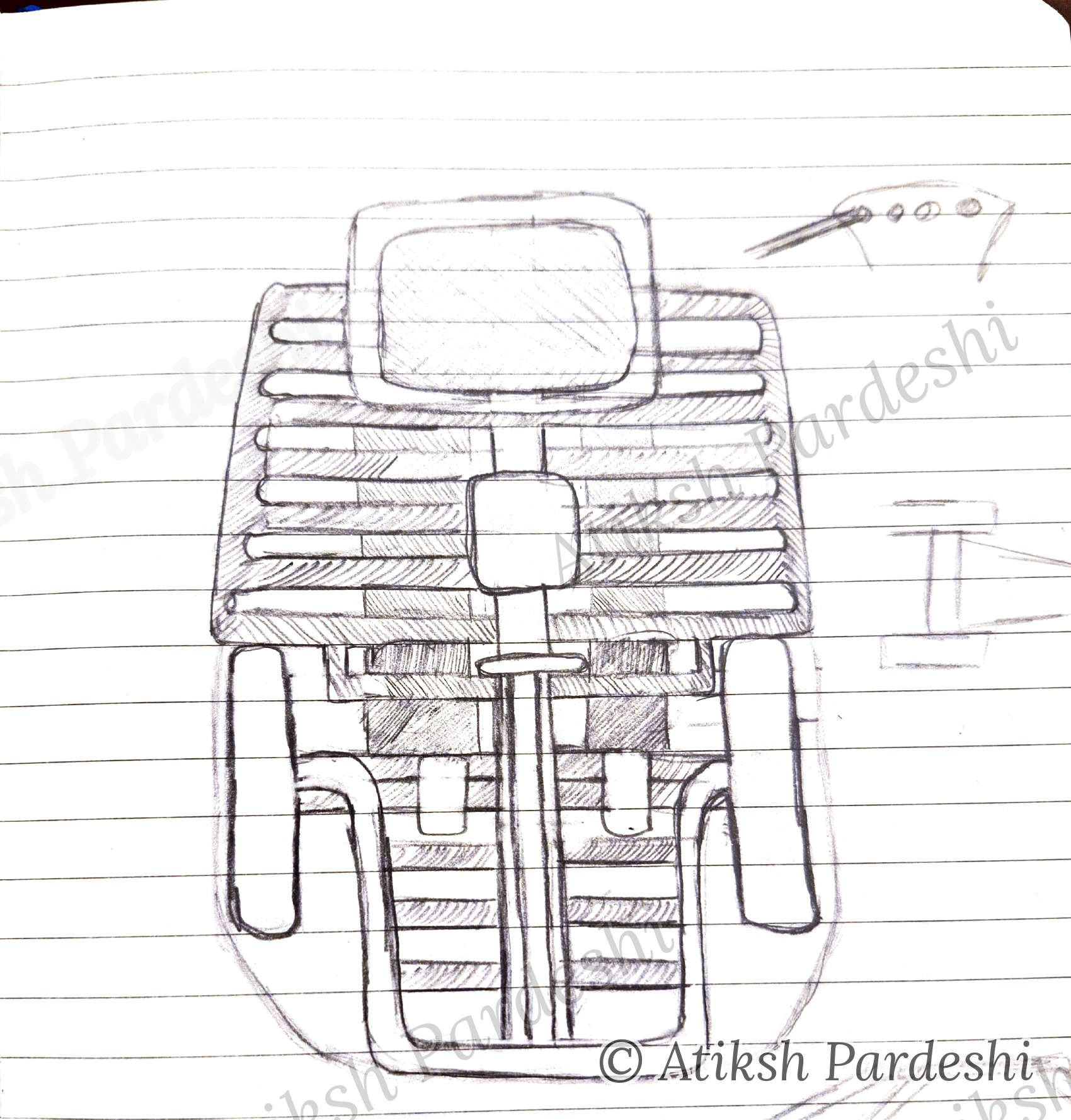
A concept sketch for a small go-kart — I worked out the seat, headrest, and steering/braking layout in enough detail that it could plausibly be built, not just drawn for effect.
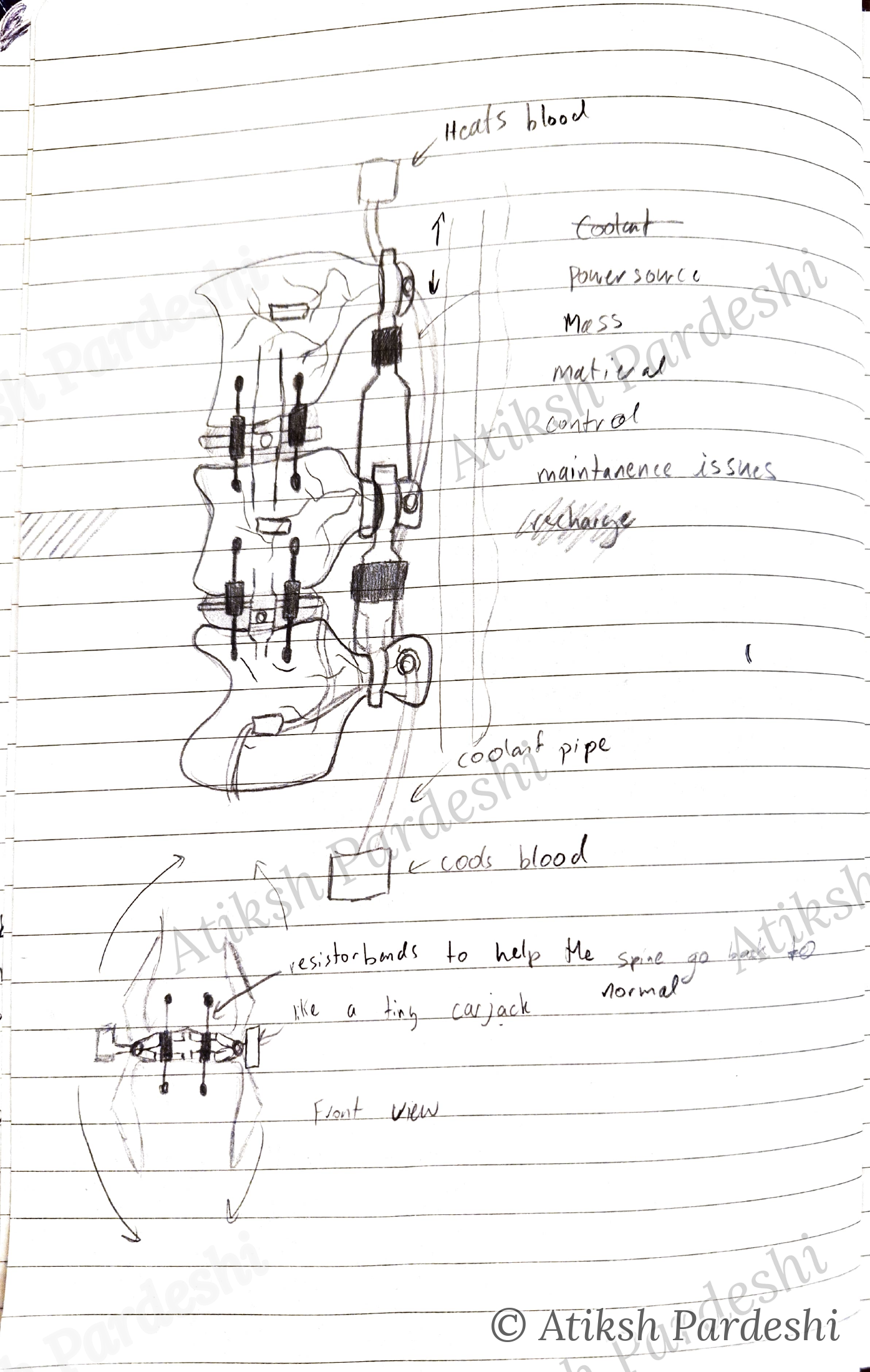
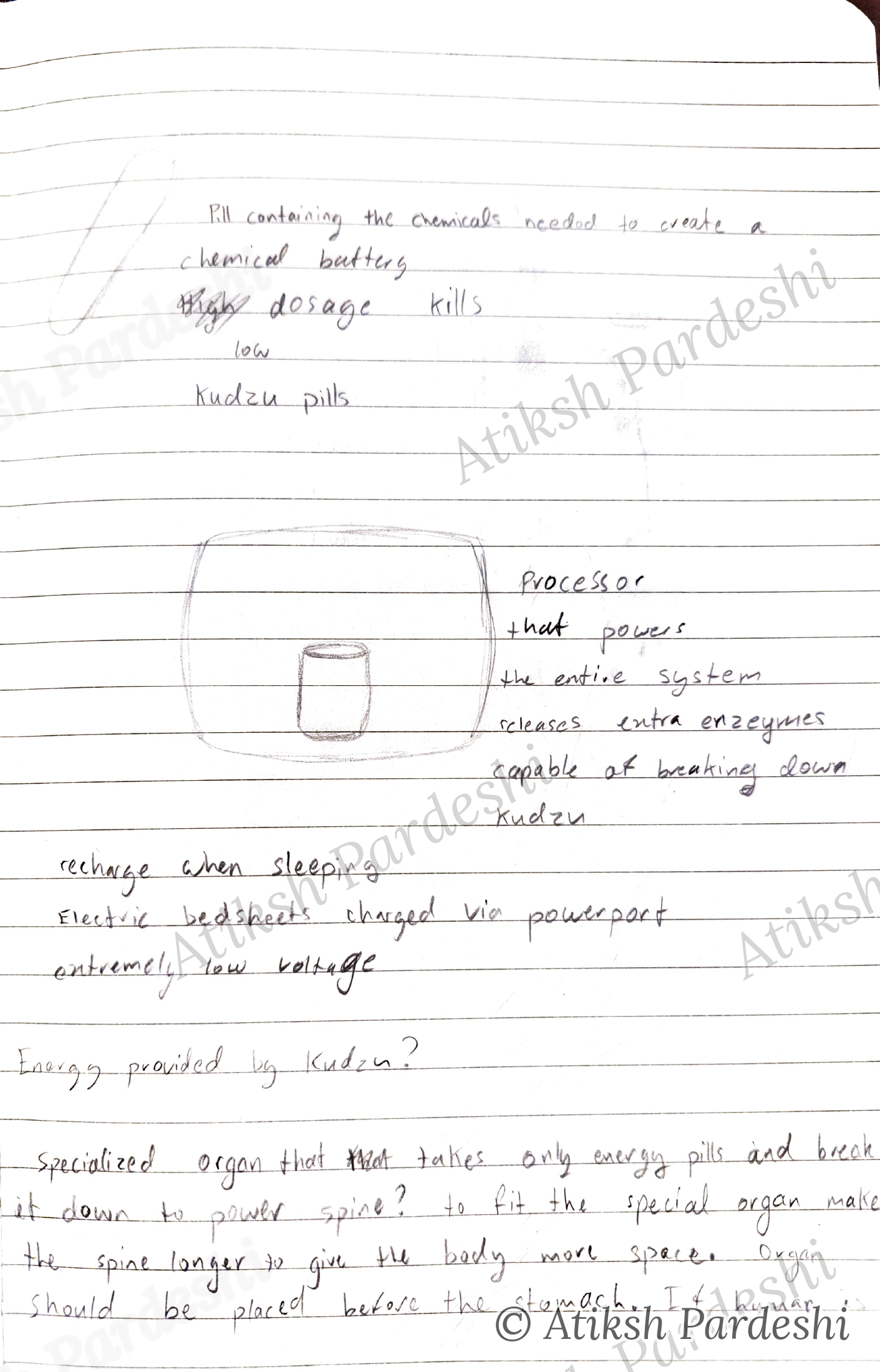
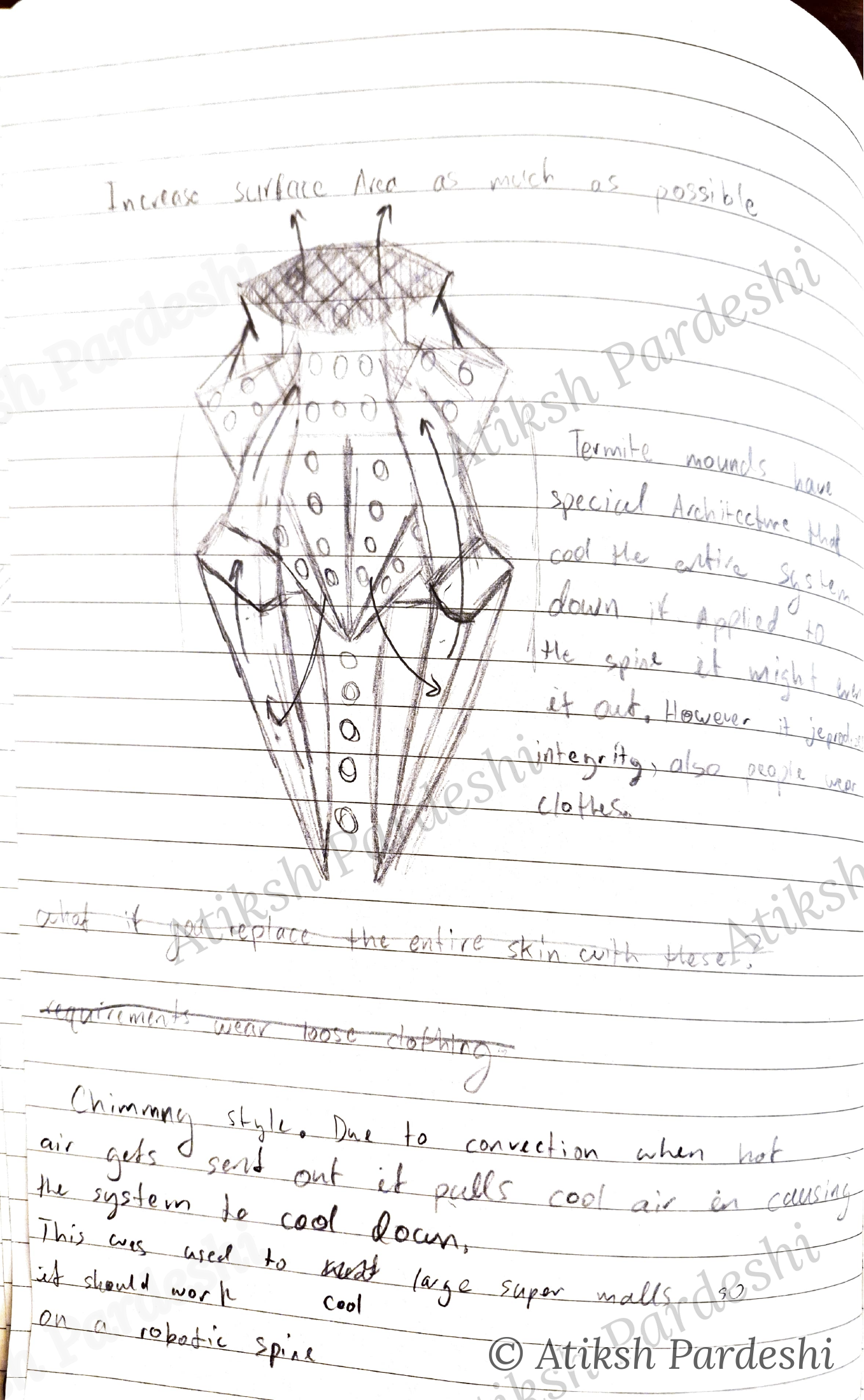
A speculative concept for a robotic spinal support structure. I worked through it issue by issue: how it might regulate temperature (I borrowed a passive cooling approach from termite-mound architecture), how it might source and store power, and where the idea runs into real constraints — I noted those directly on the page, including structural trade-offs and the simple fact that people wear clothes over something like this.
It's a rough, evolving idea, not a finished proposal. What it shows is a habit I have of thinking across biology, energy systems, and mechanical design at once — which lines up with why I'm interested in biomechanical engineering specifically.
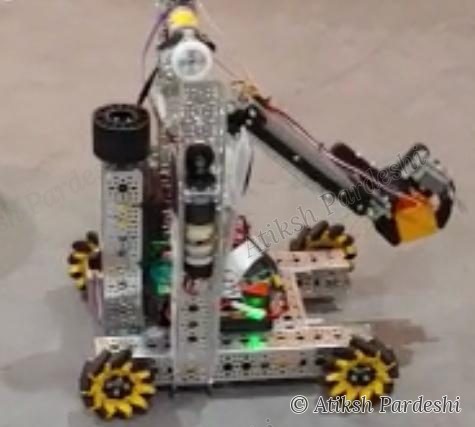
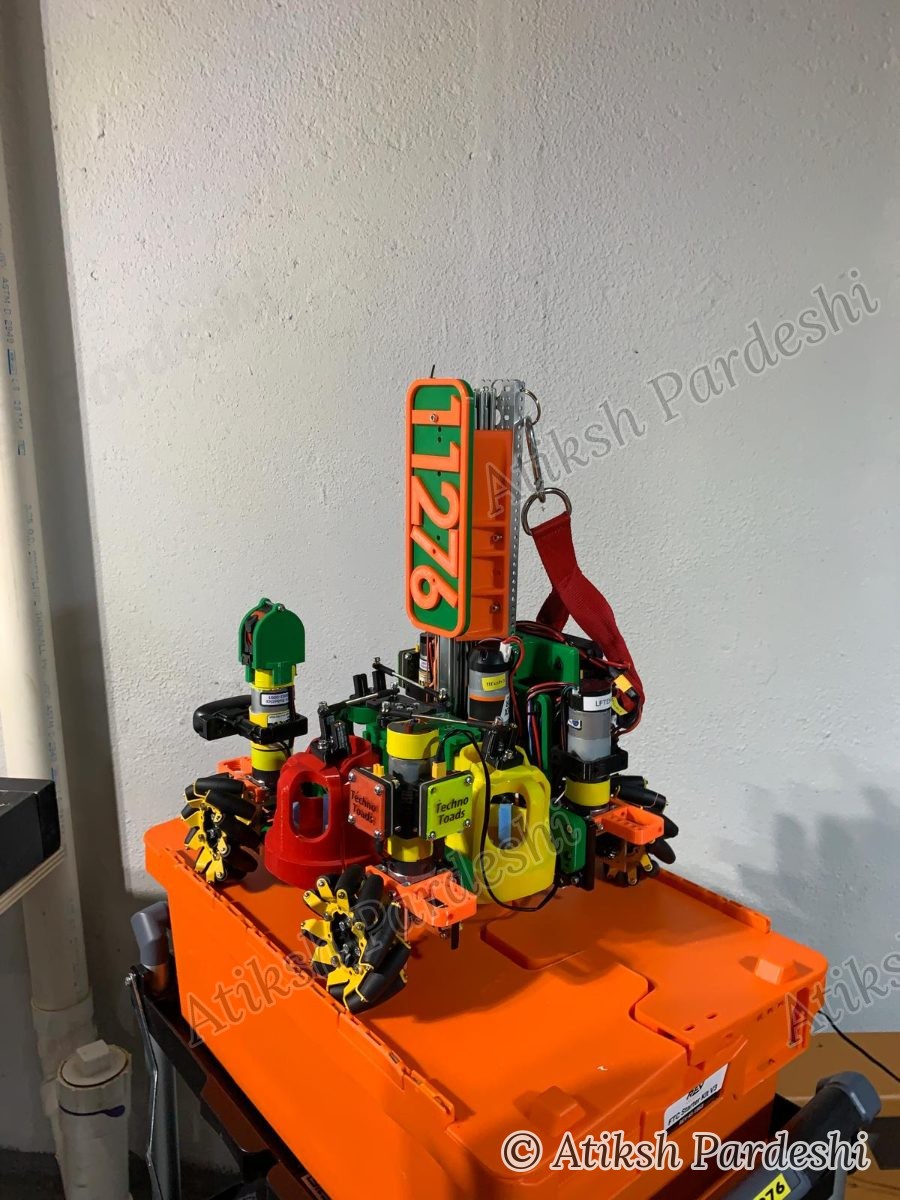
That same habit carried into formal robotics competition, where ideas have to work within actual limits — power, weight, rules, and a clock.
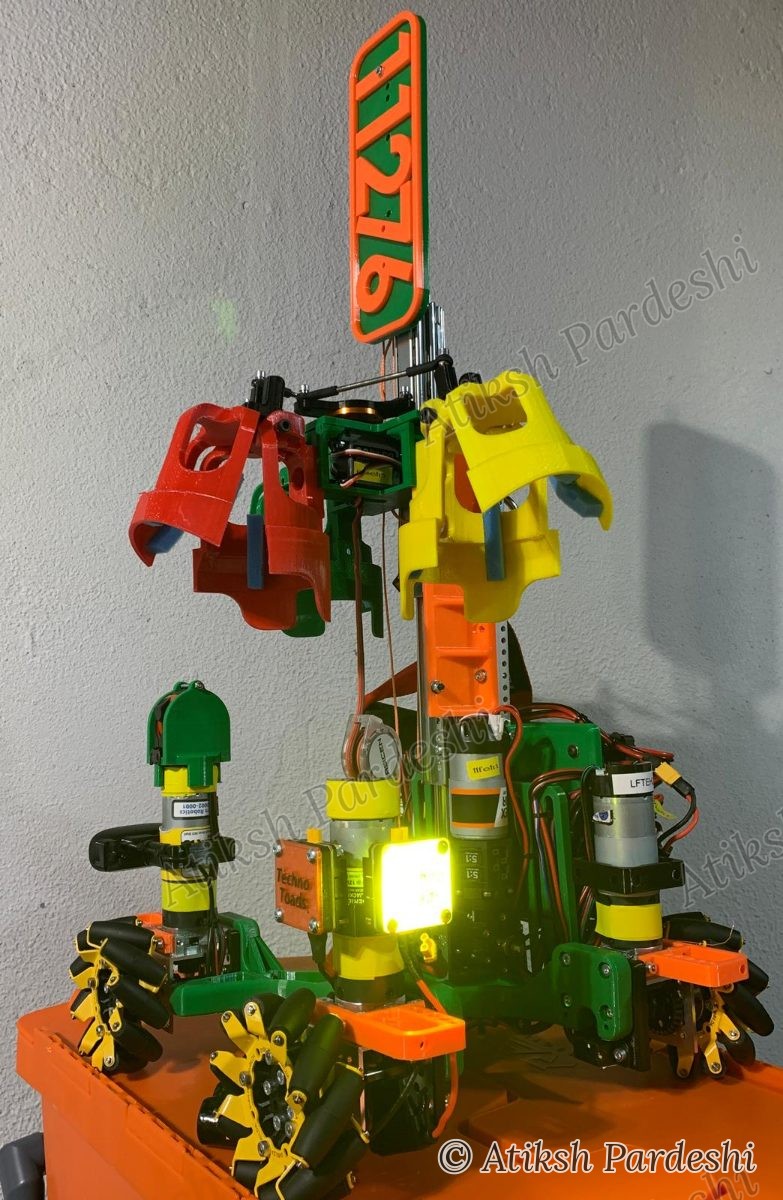
I contributed to robot design, build, and competition strategy. This was my introduction to 3D CAD modeling and 3D printing — I got to see, firsthand, how a design moves from a concept to a manufactured part.
A step up in scale and complexity from FTC. I got more exposure to design complexity and the discipline it takes to actually deploy a working system, and I stayed involved in volunteering with the team along the way.
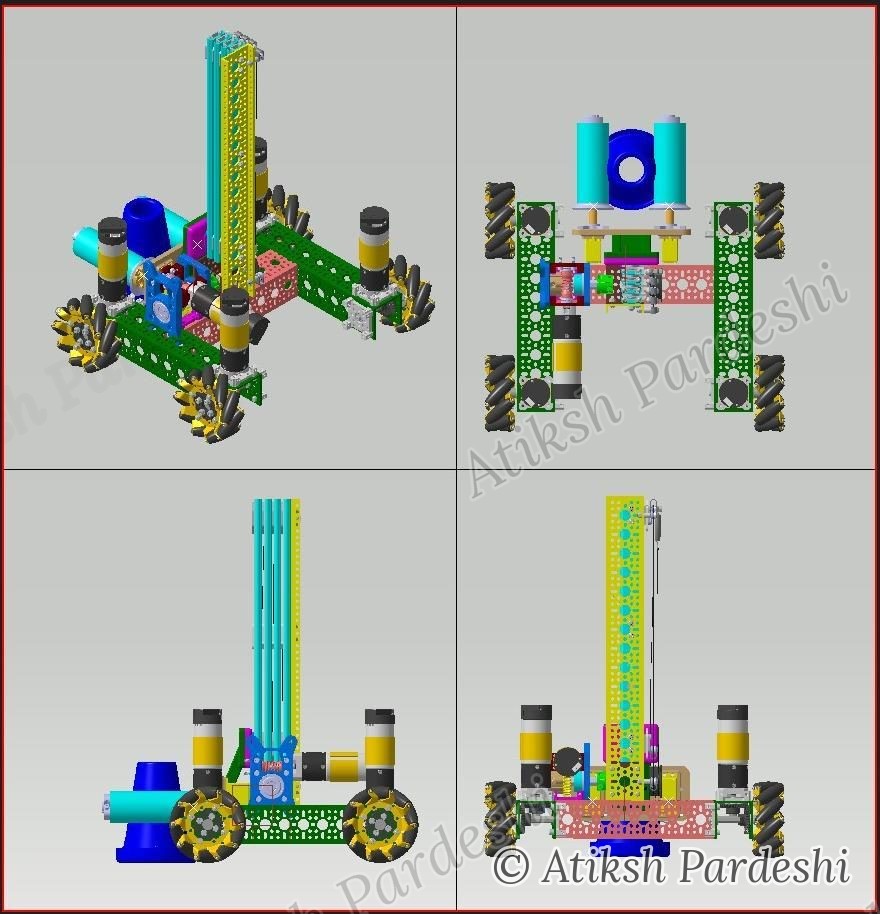
Self-directed work in SolidWorks, which I use to support the robotics build work above — the same design instinct from my sketches, now in a CAD environment.
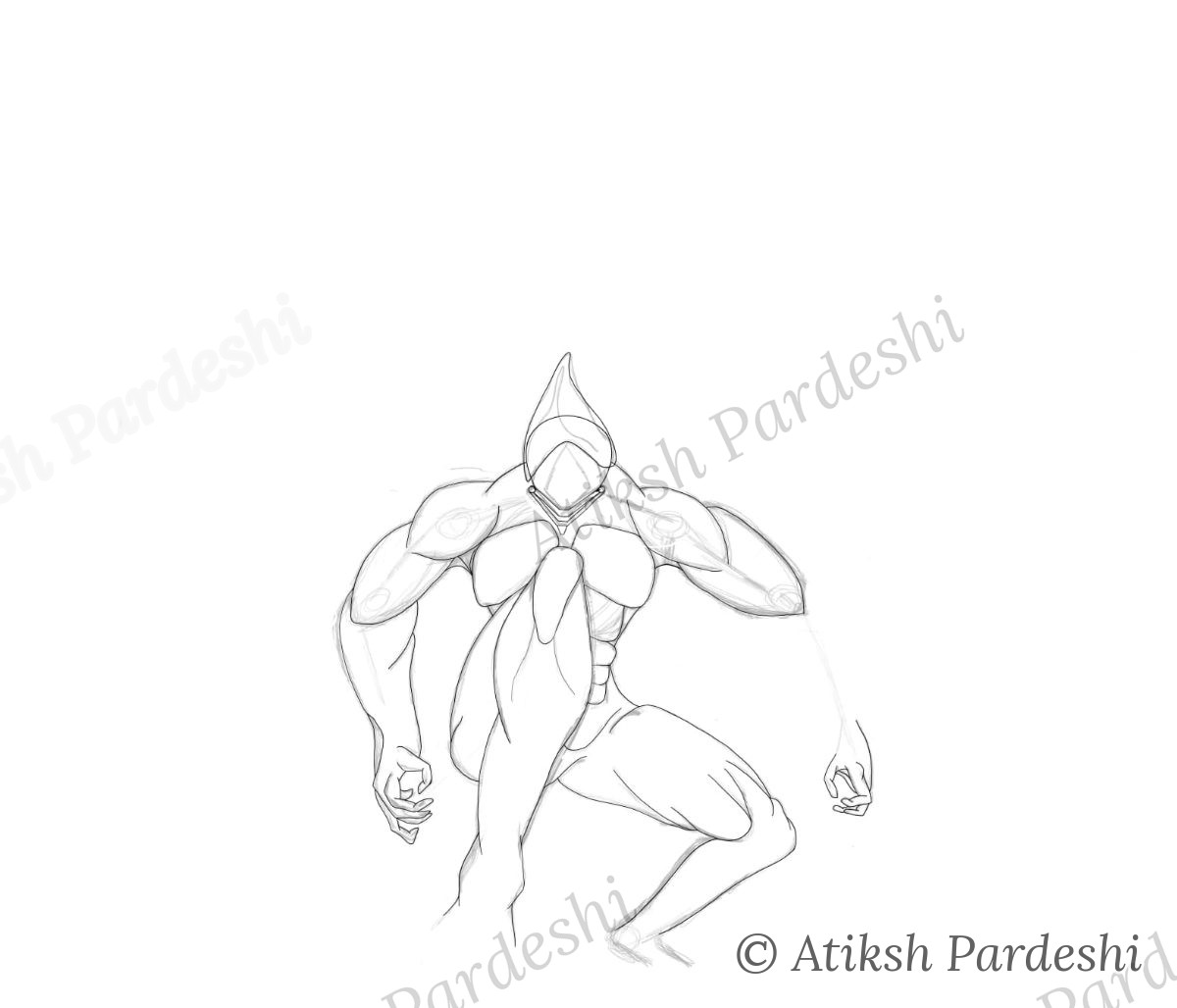
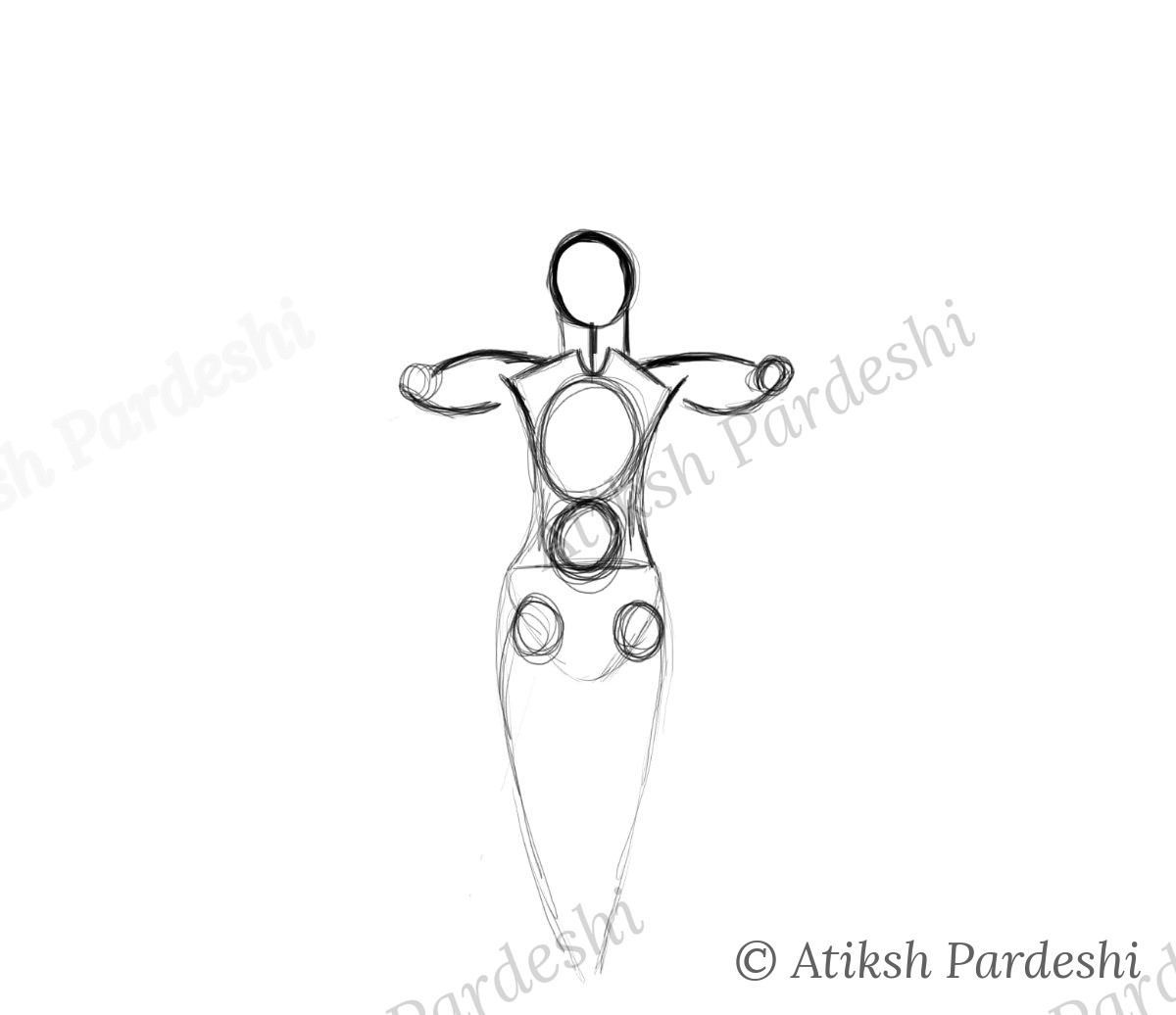
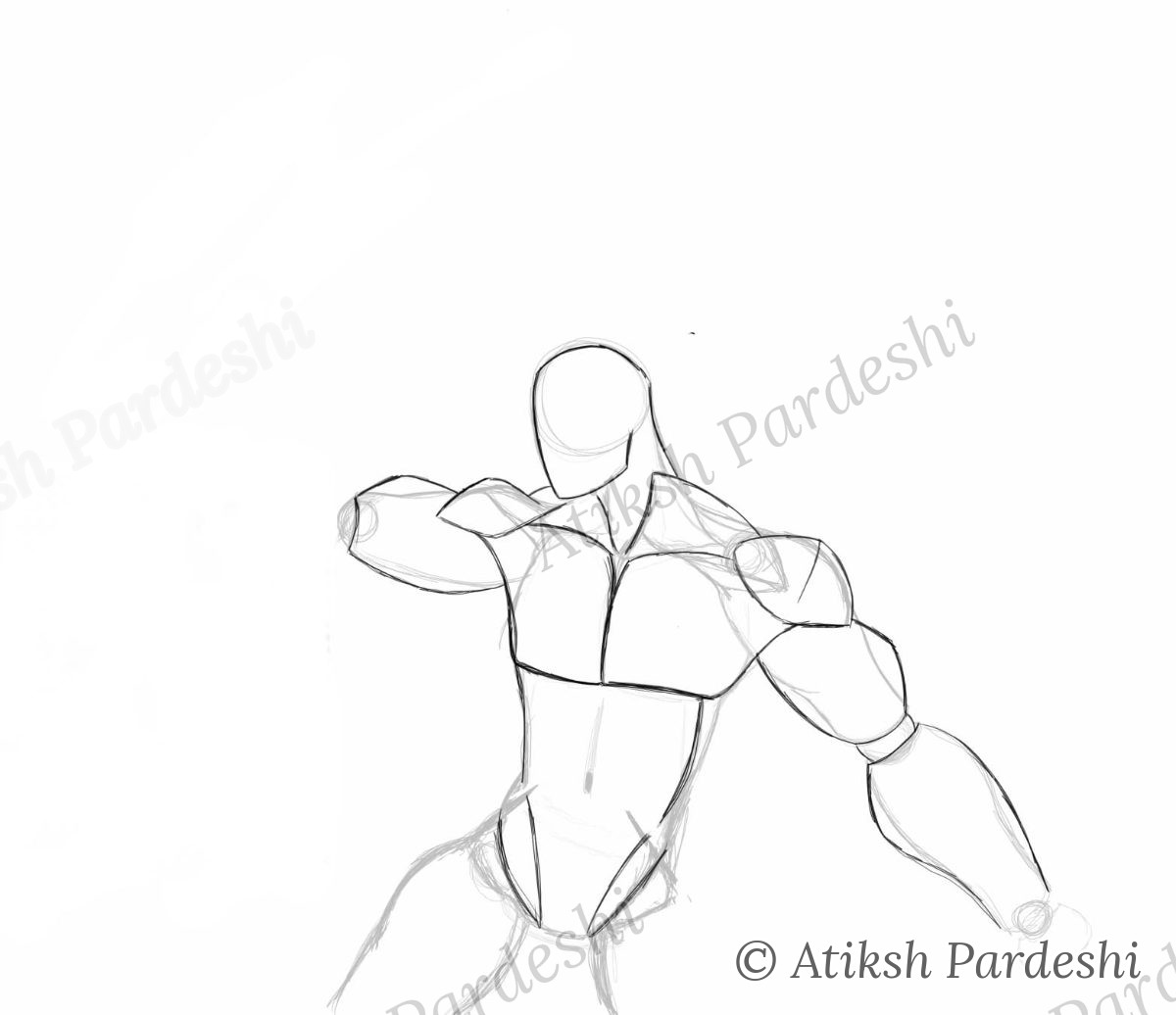
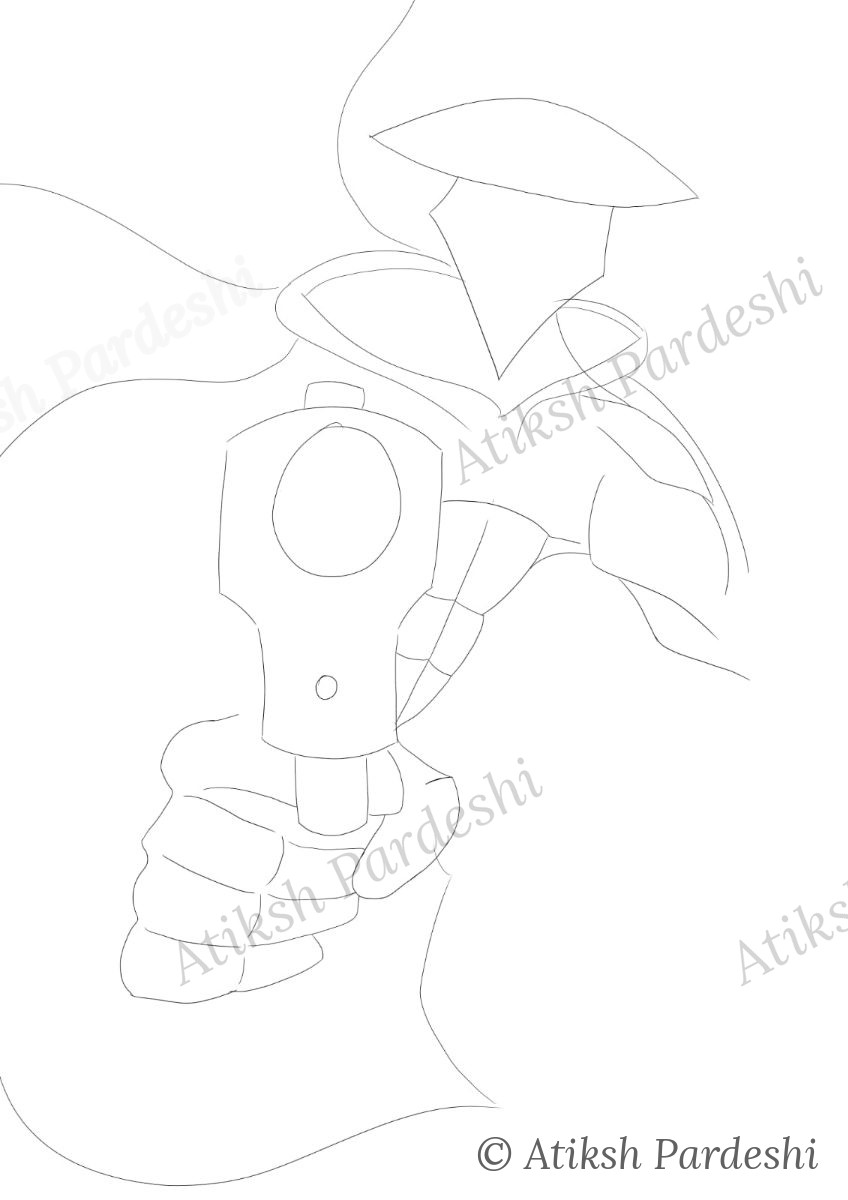
Some of my sketches aren't really about a character or a creature — they're closer to working out a mechanism: how a joint would move, how plating would attach, how a weapon would actually be gripped and fired.
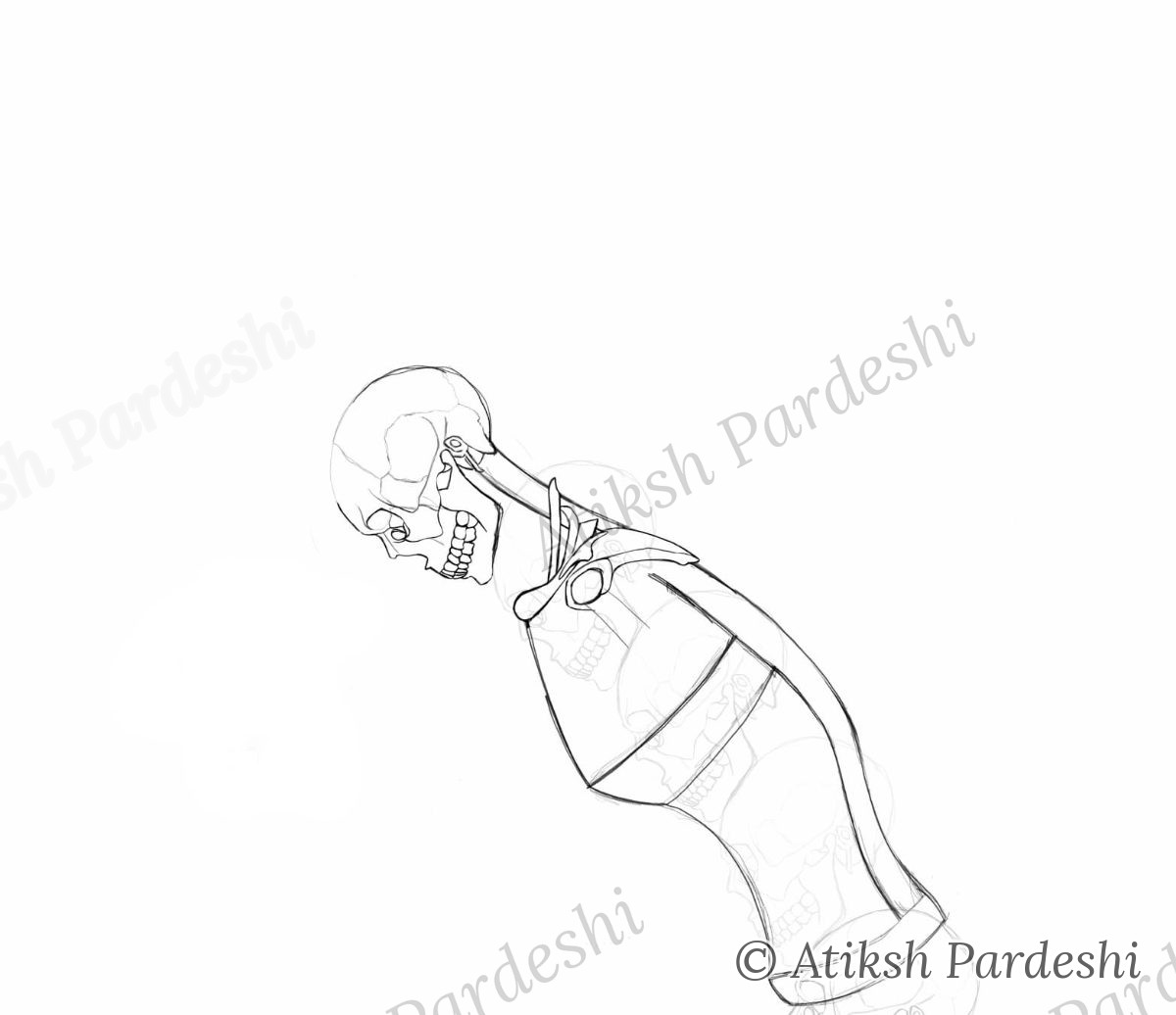
An anatomical study working out how plating might attach across a moving joint — a question of mechanism as much as appearance, and a small preview of the biomechanical thinking that shows up later in my current project work.
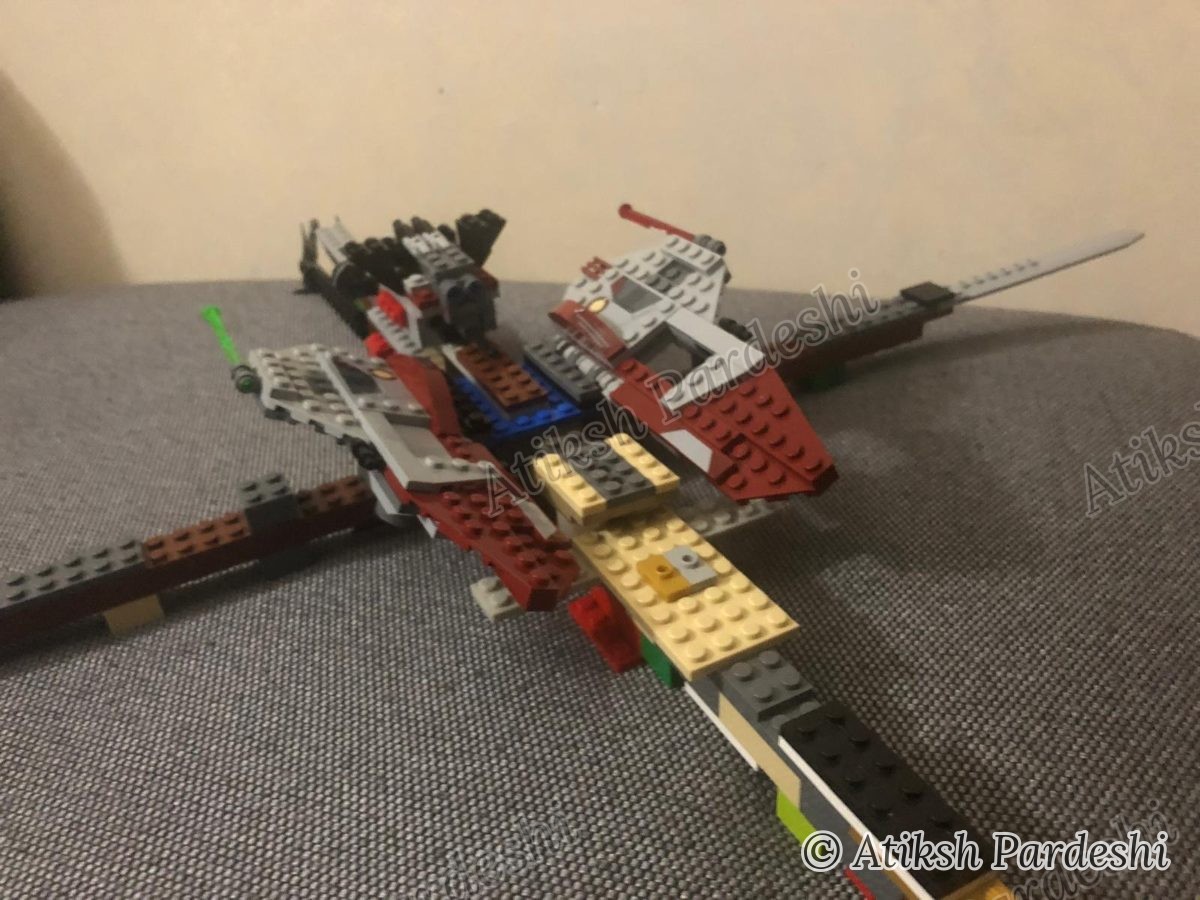
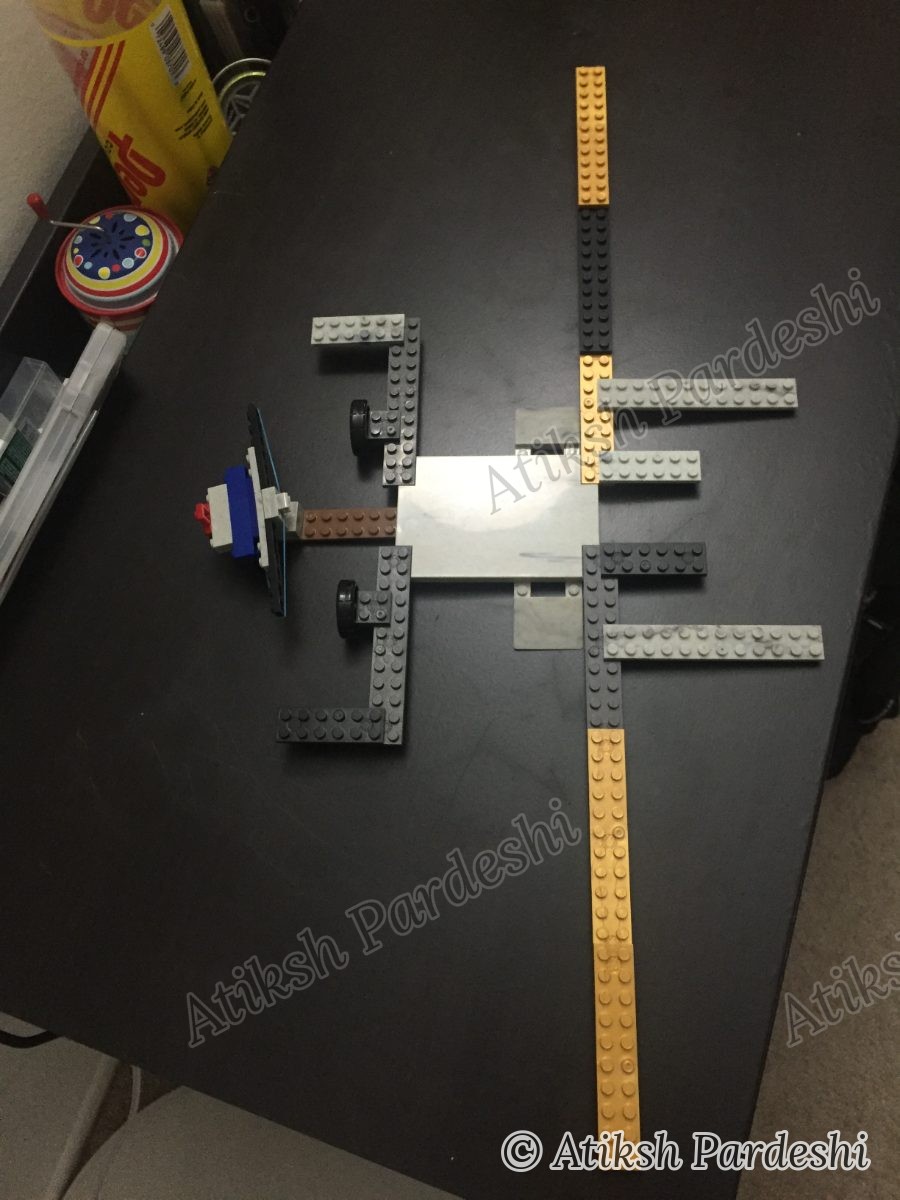
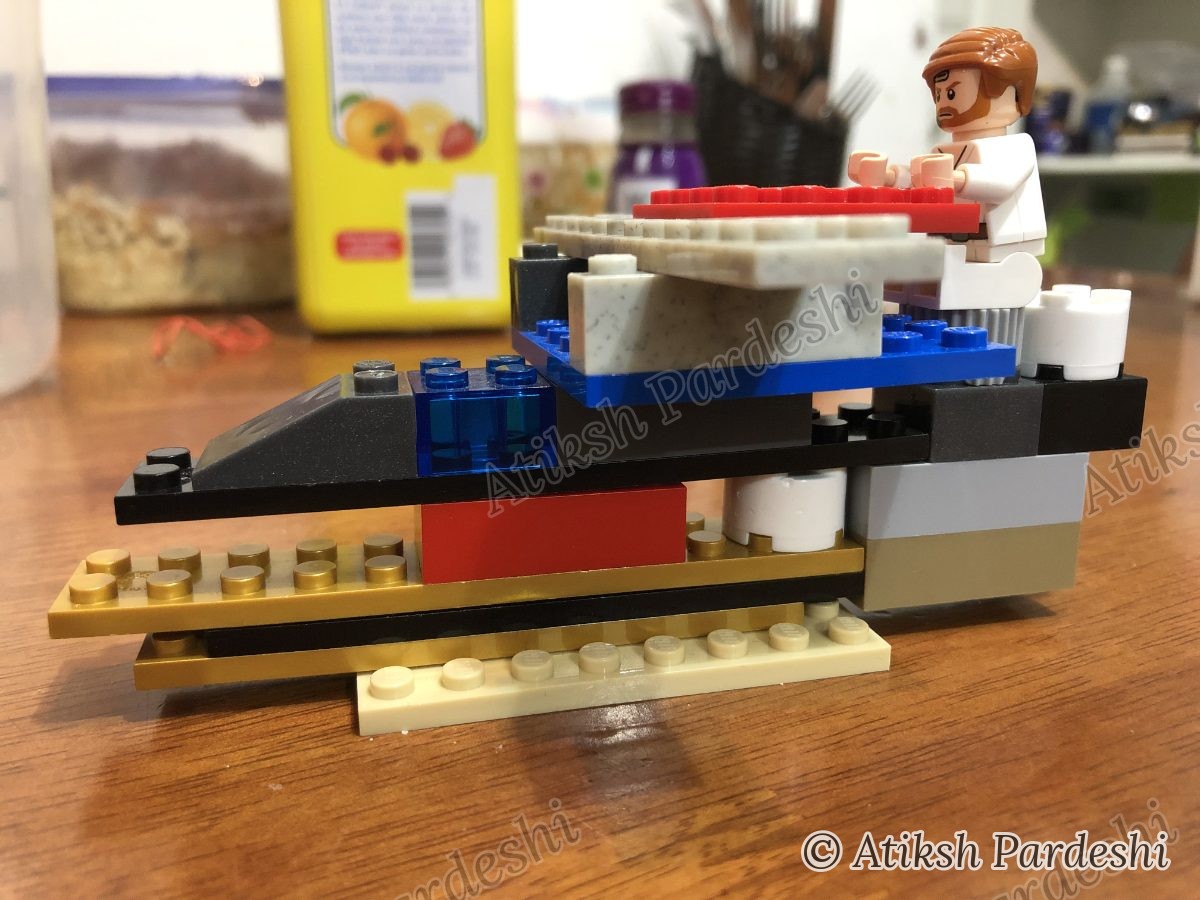
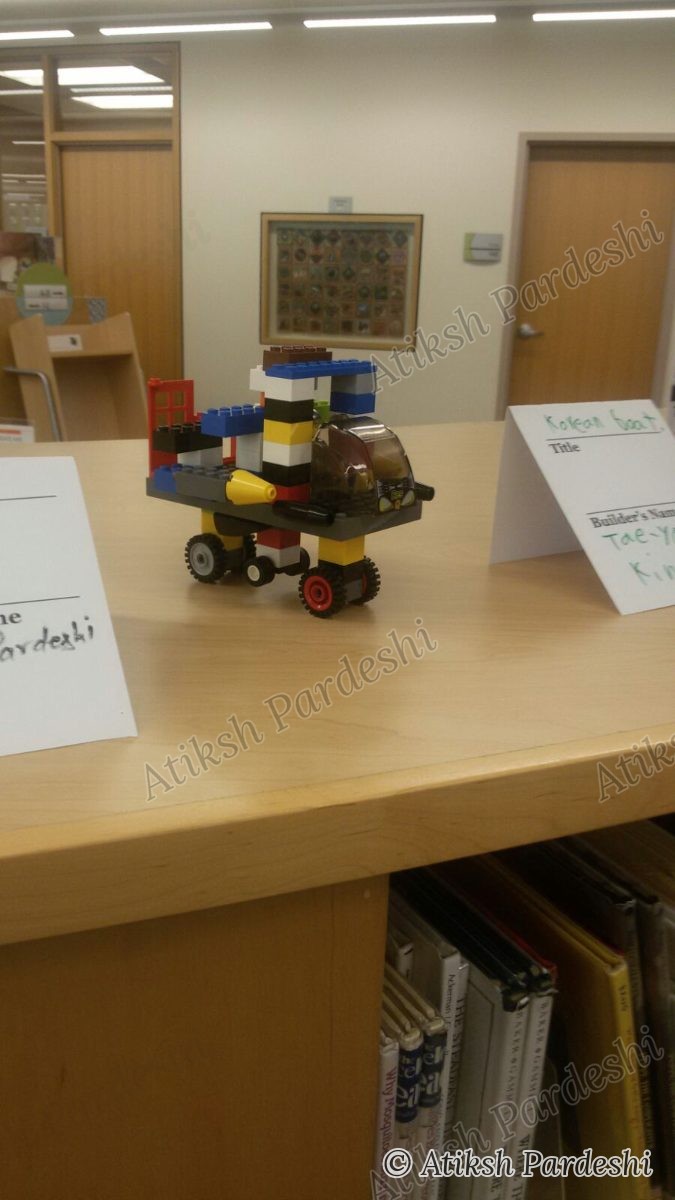
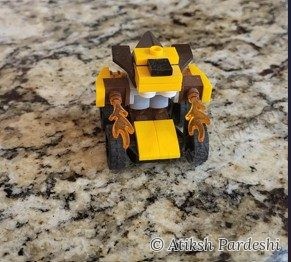
Long before robotics competition, I was already doing a version of the same thing with LEGO — building things that needed to work, not just look right.
A self-designed aircraft build. Rather than stopping at a recognizable outline, it includes a distinct cockpit canopy, forward-mounted armament, and a wing structure built to carry it — detail that goes past matching a picture and into equipping something for a role.
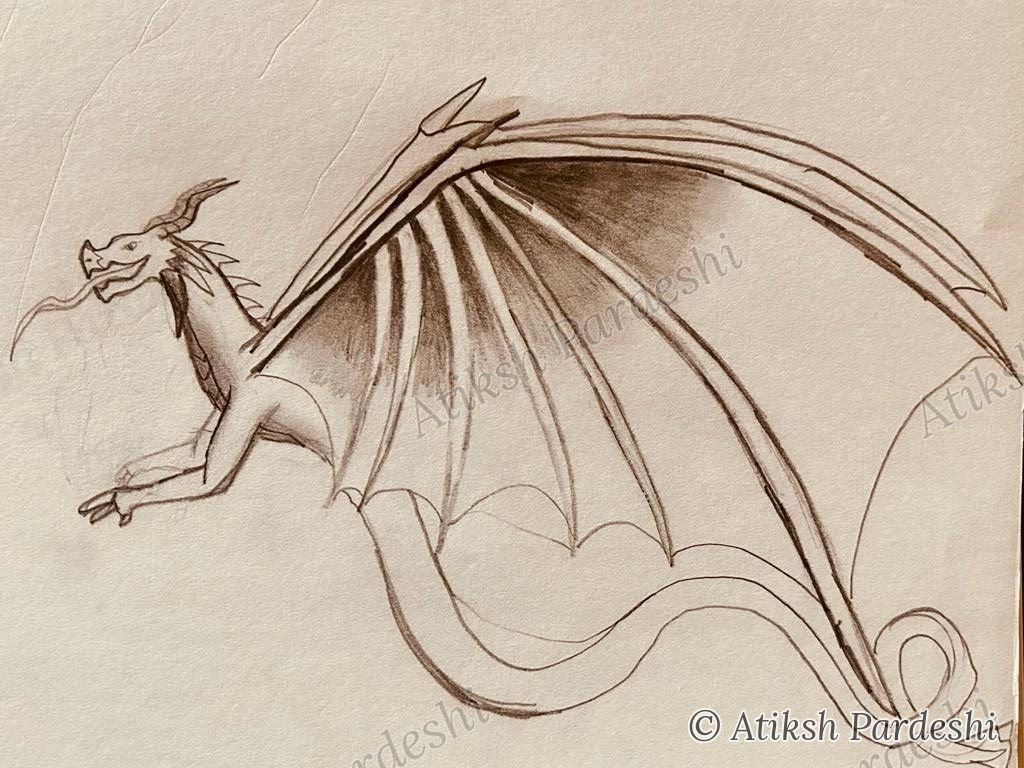
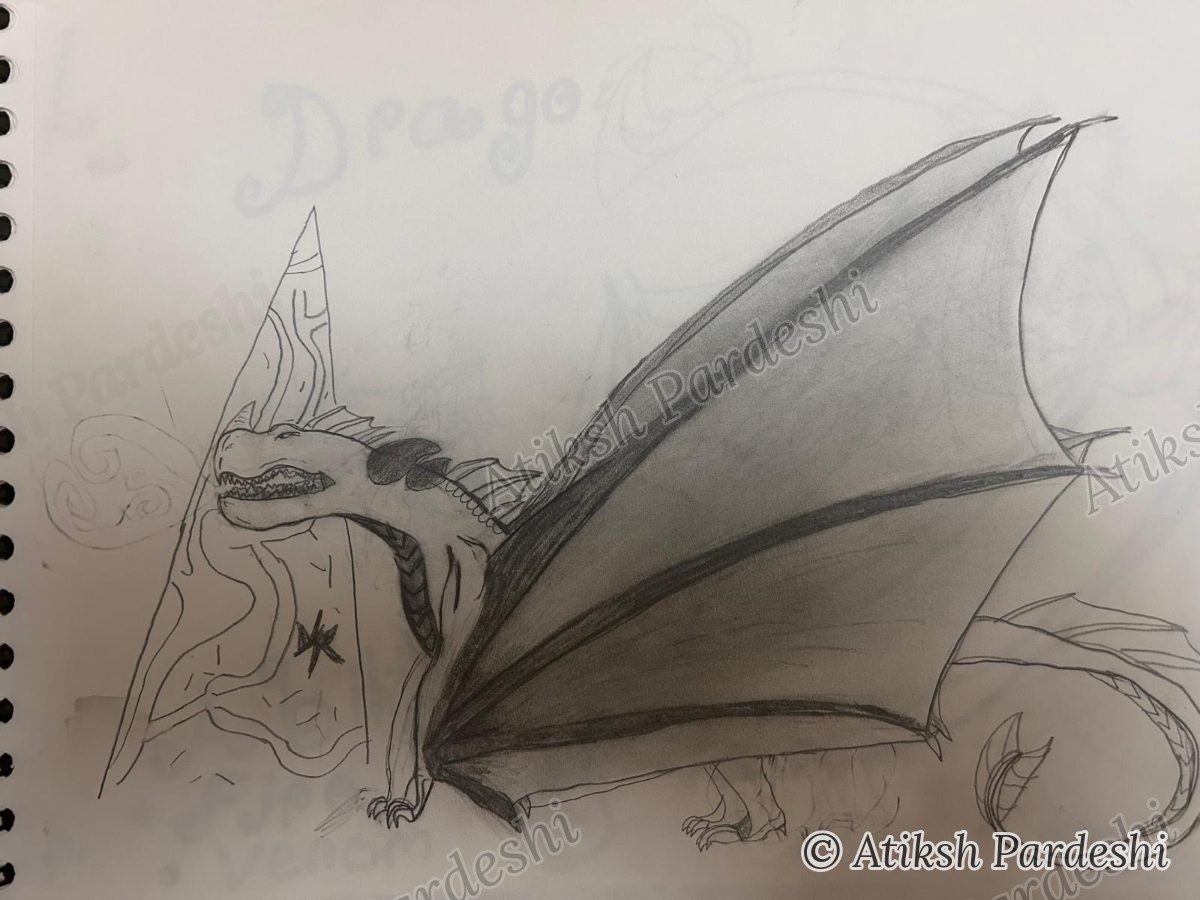
A graphite study of a dragon in flight. I drew the wing with the strut-like supports a membrane would actually need to hold its shape under load — the same question a structural engineer asks of any thin surface expected to bear force.
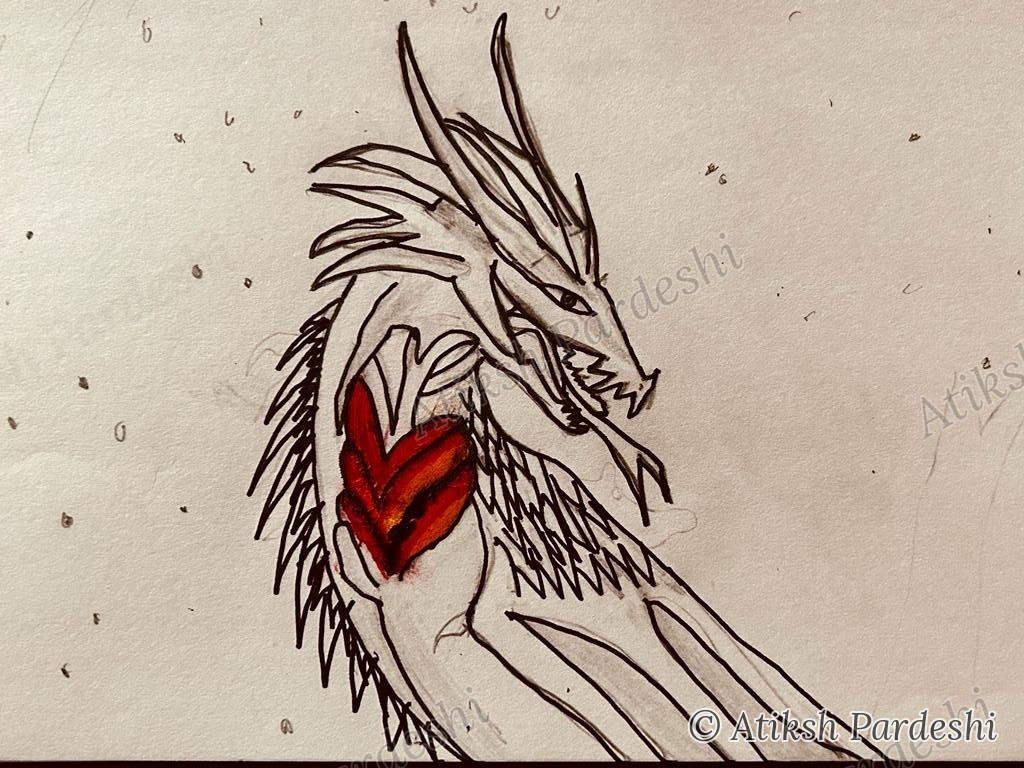
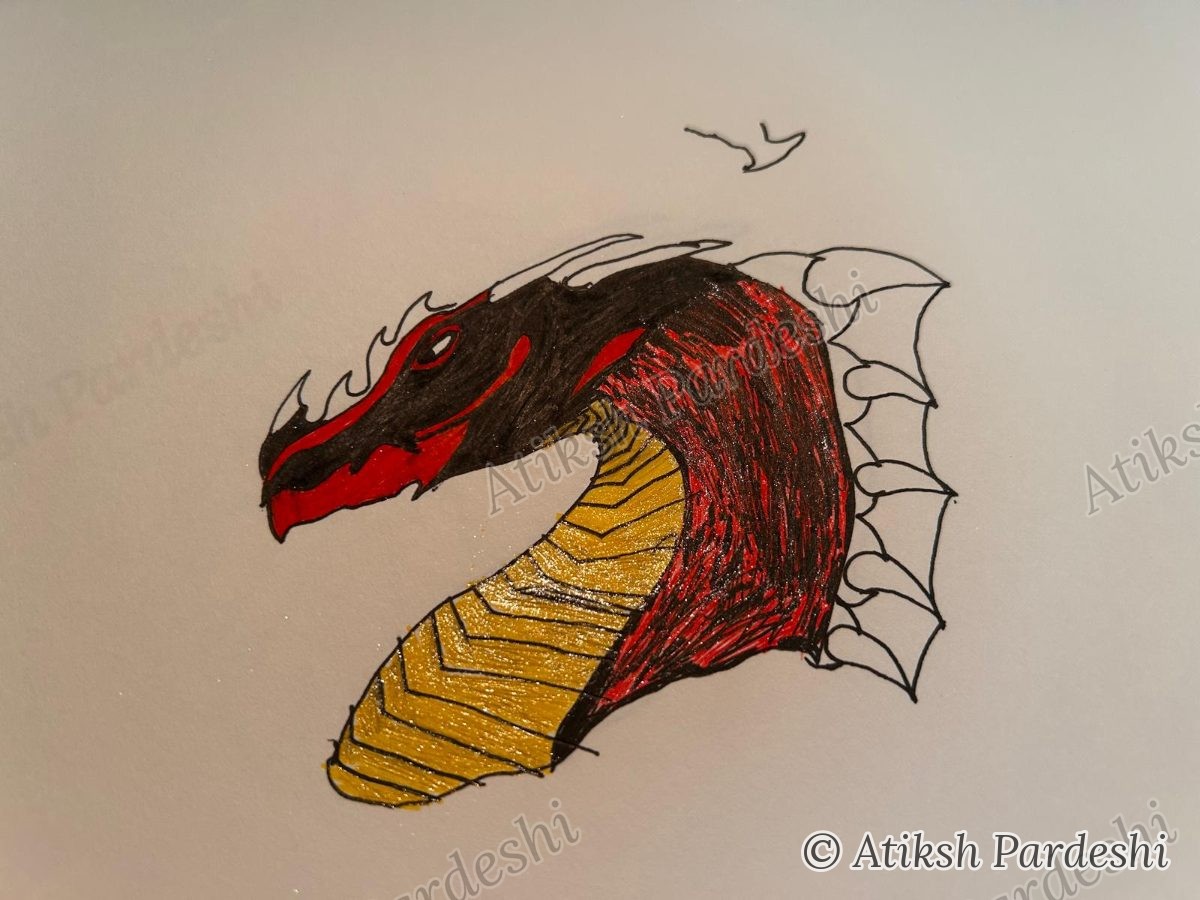
Dragons come up a lot, but they're not the only thing I draw.


None of this is finished. The sketches above have gaps, and the concepts raise questions I can't yet fully answer — that's the point at this stage. The habit of noticing a system and asking how it would actually work is already there. The tools, training, and time to take it further are what I'm looking for next.